About the Garden of Earthly Delights
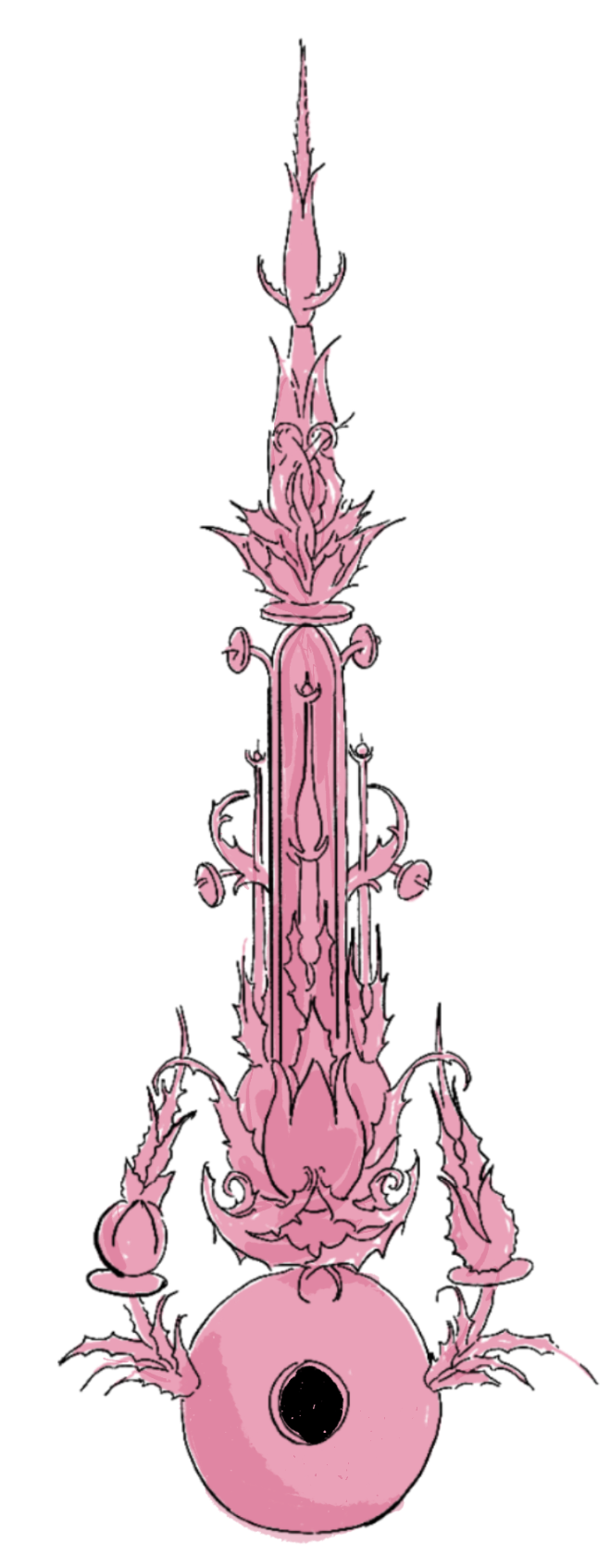
Of the Painting Itself
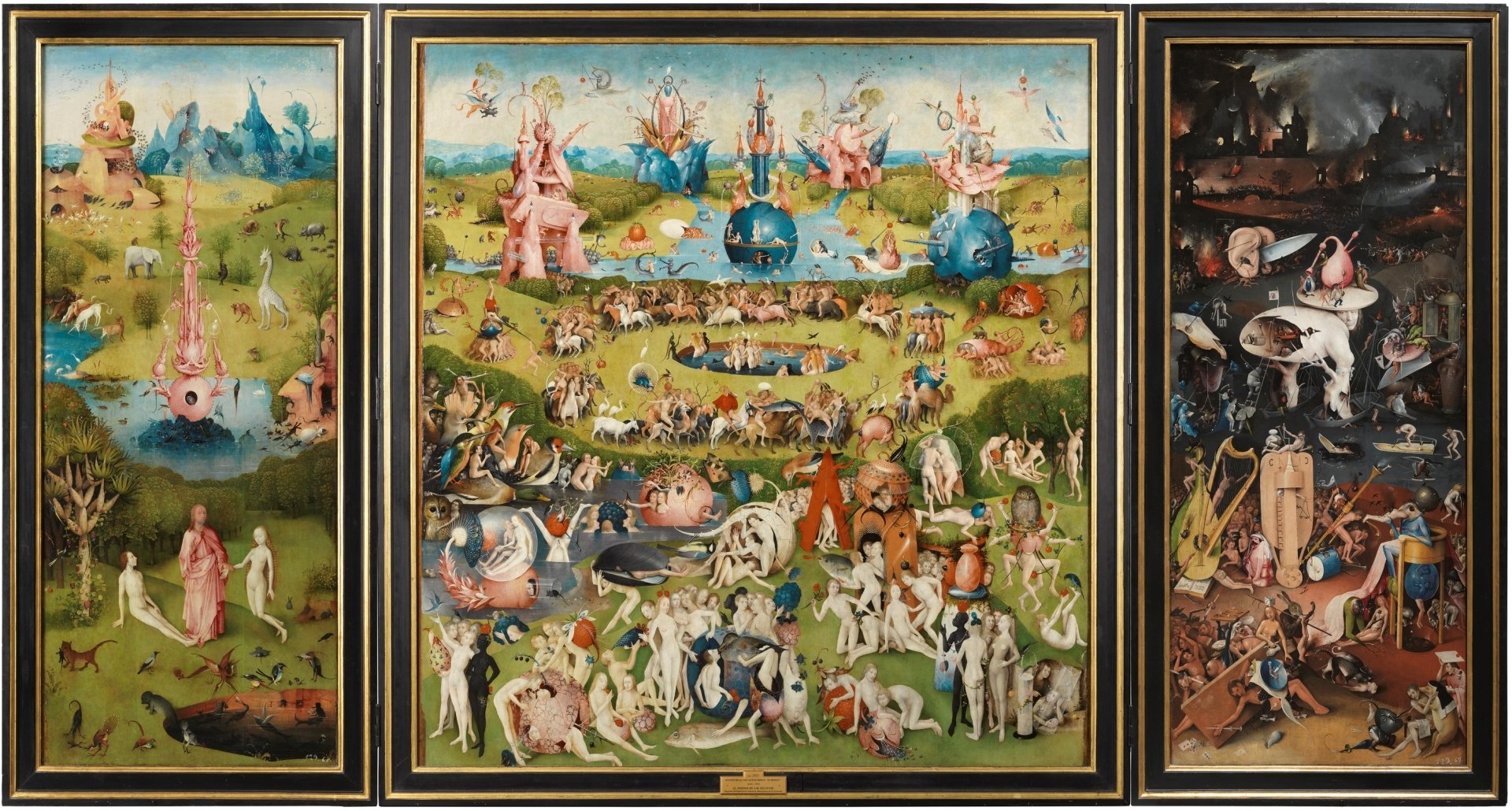
The Garden of Earthly Delights is a triptych painted by Hieronymus Bosch around the turn of the 16th century. When closed, it appears restrained and quiet. When opened, it reveals three worlds at once.
On the left: a vision of beginnings — order, innocence, and the moment before knowledge takes hold.
At the center: a riot of earthly pleasure — music, bodies, fruit, animals, absurdity, devotion, delight.
On the right: transformation — chaos, excess, consequence, and the unknown.
The painting resists easy explanation. It is playful and unsettling, moral and indulgent, sacred and profane. It suggests that joy and strangeness are inseparable, and that life, fully lived, is both beautiful and bizarre.
We find it a fitting guide.

Of the Garden as Our Theme
We chose The Garden of Earthly Delights not as a set of instructions, but as an invitation.
The painting holds contradictions we recognize and love: reverence and irreverence, devotion and indulgence, tenderness and excess. It is sincere without being solemn, playful without being shallow. It reminds us that joy can be strange, that beauty can be unruly, and that celebration need not be restrained to be meaningful.
There is something deeply human in Bosch’s world. There is a sense that life, at its best, is lived fully, curiously, and in communion with others. That spirit feels true to us, and to the way we want to gather. Throughout the day, echoes of the Garden will appear: in atmosphere, in detail, in moments of order and moments of joyful chaos. Not everything will be explained. Some things are meant to be discovered.
We invite you to step into this world with us, not as an observer, but as part of the scene.
Of Attire and Earthly Display
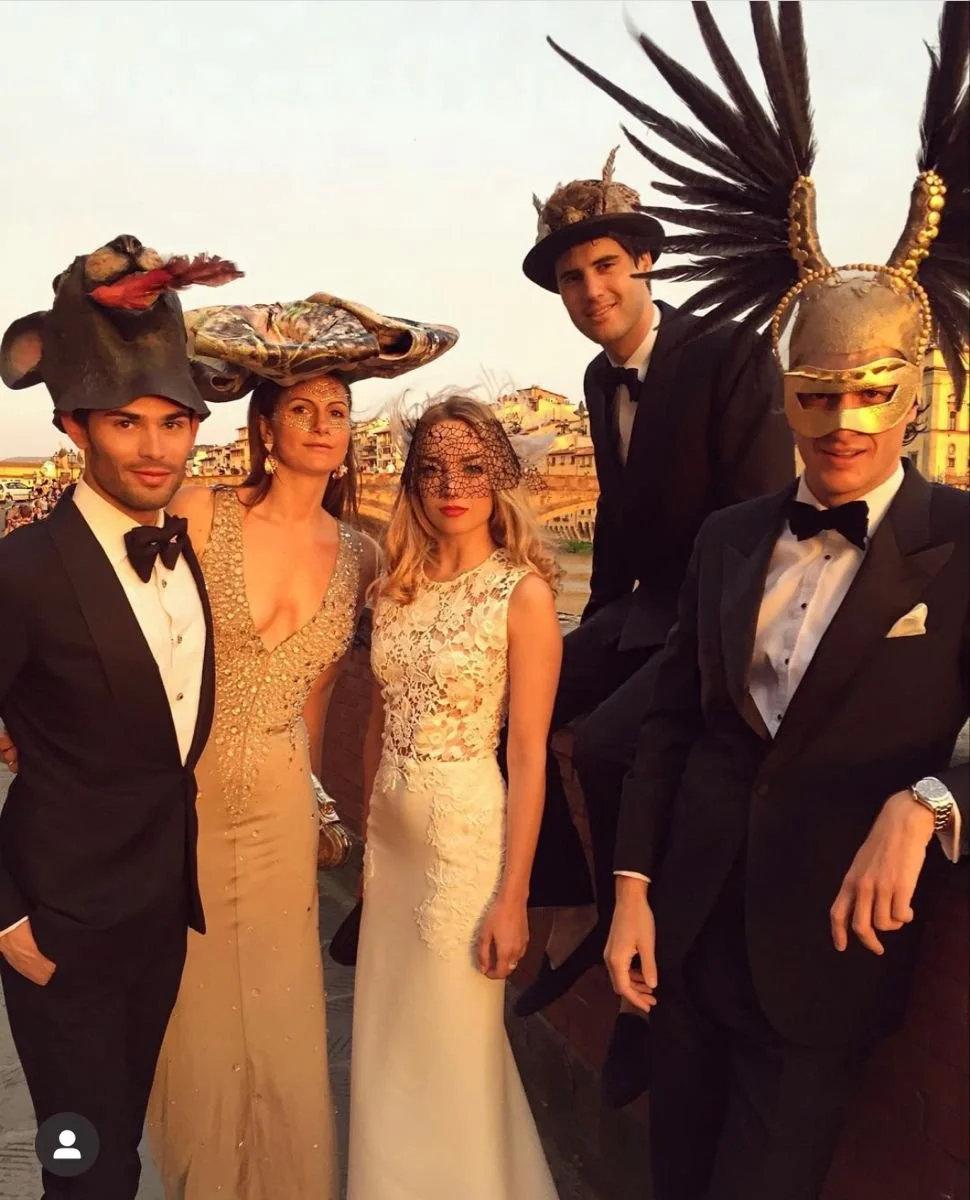
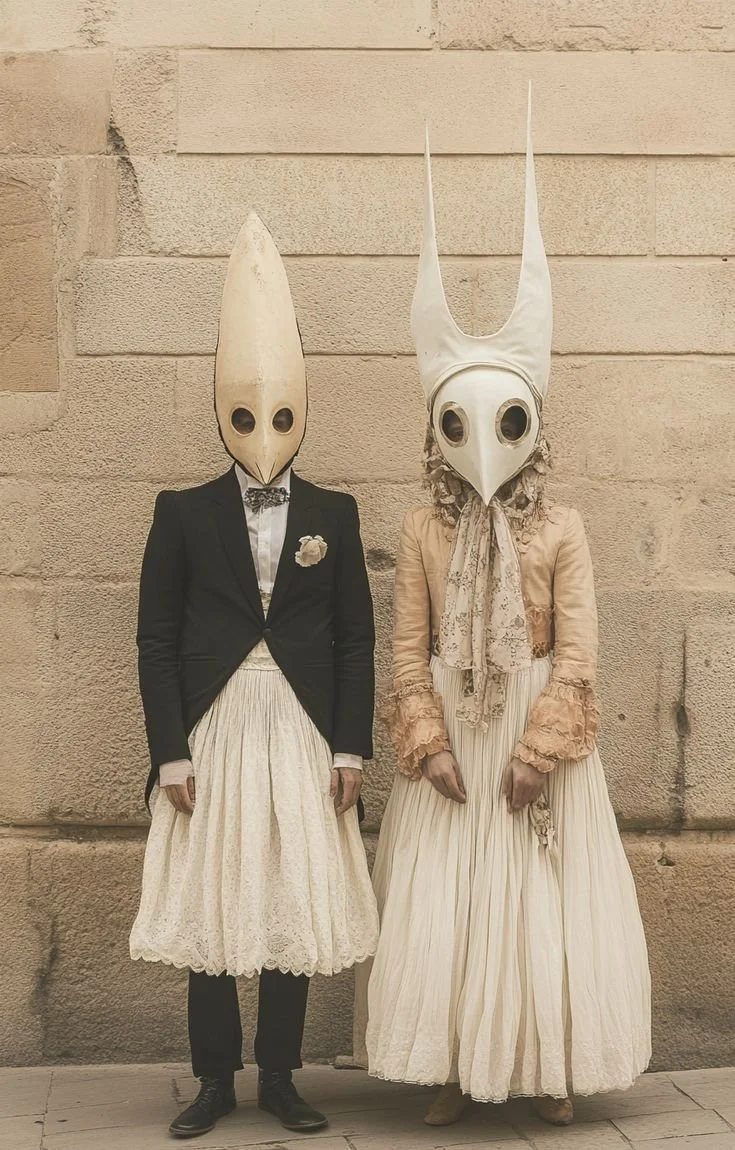
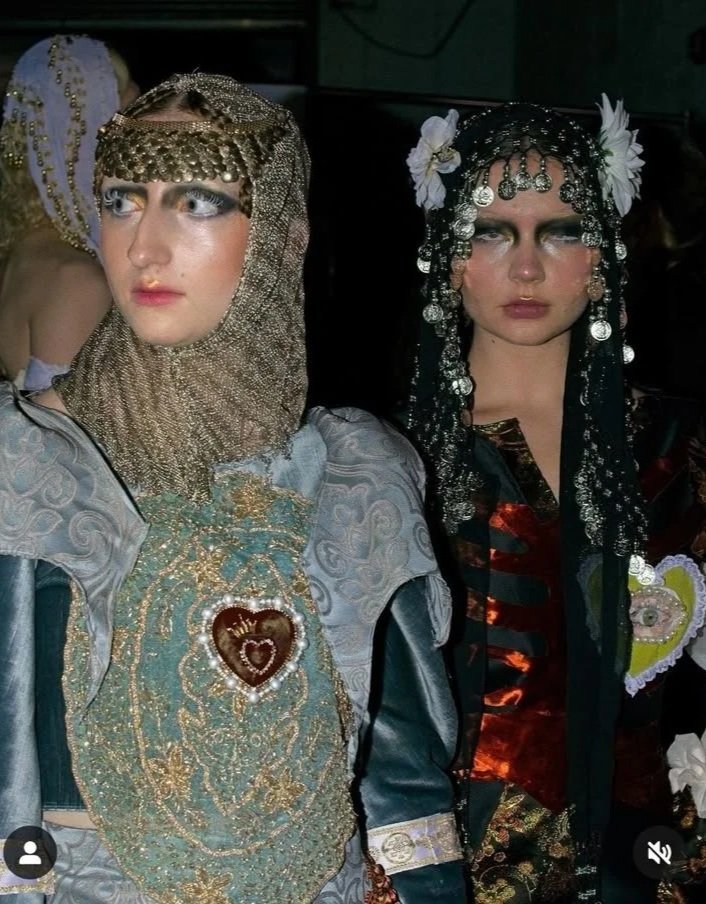
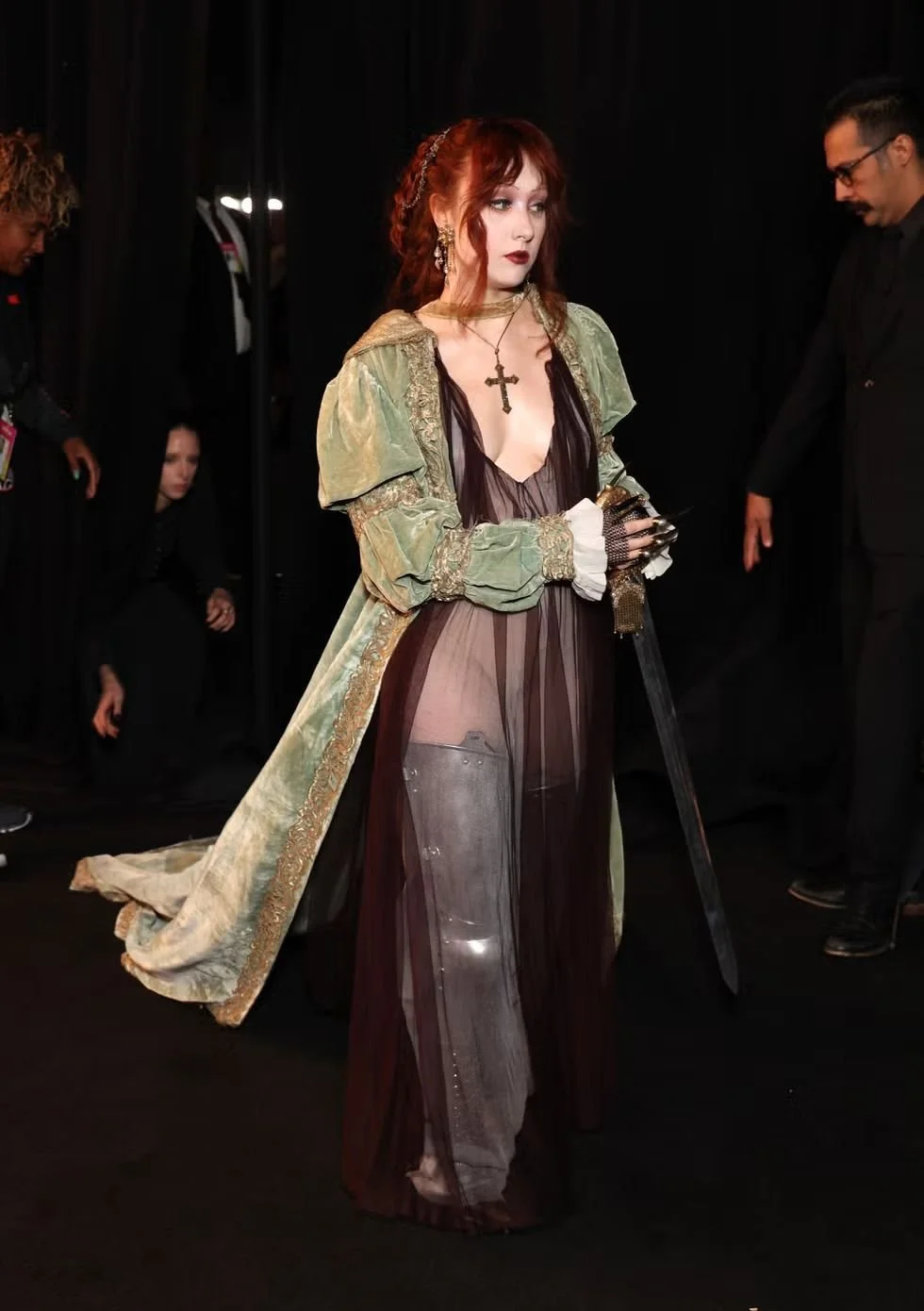
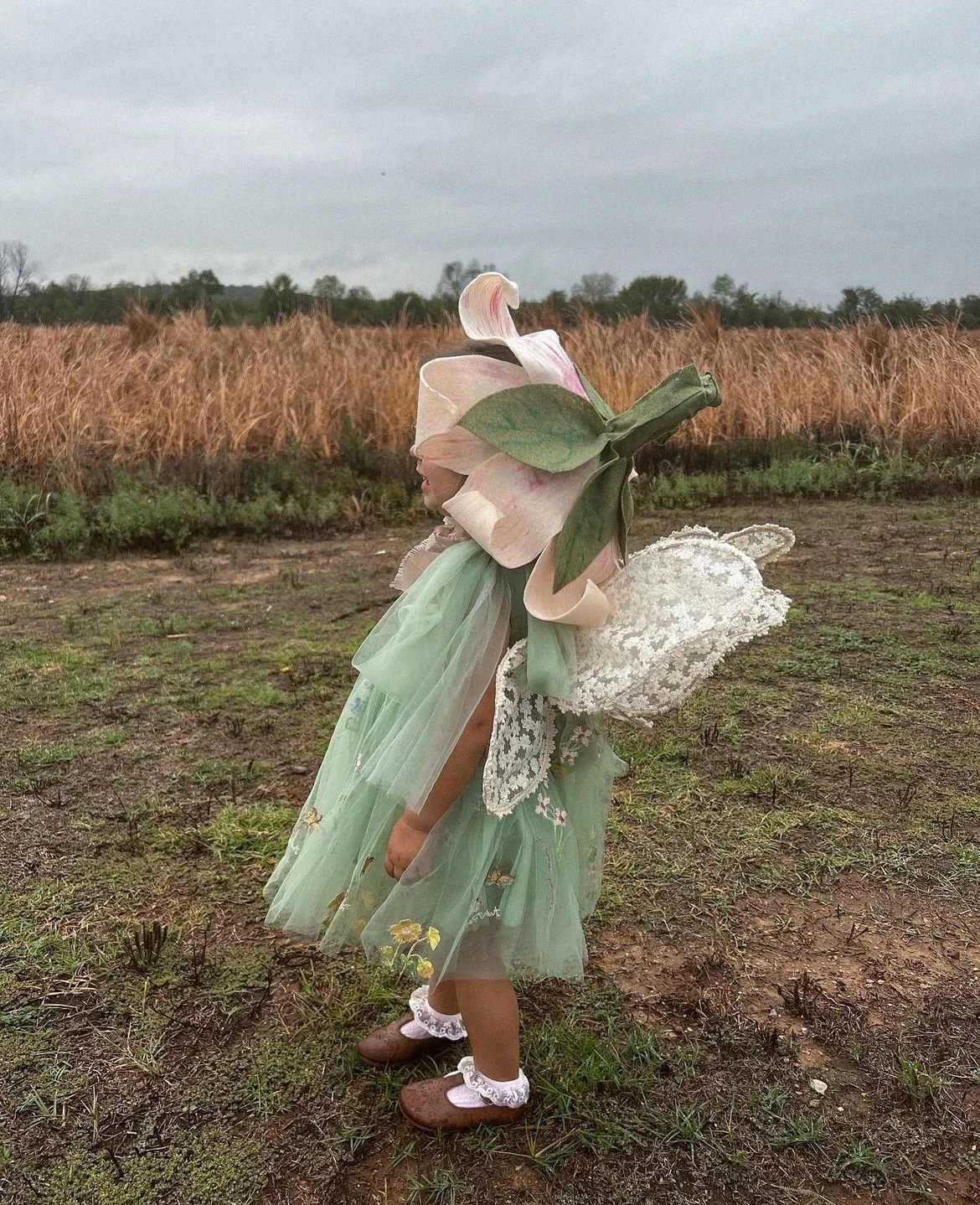
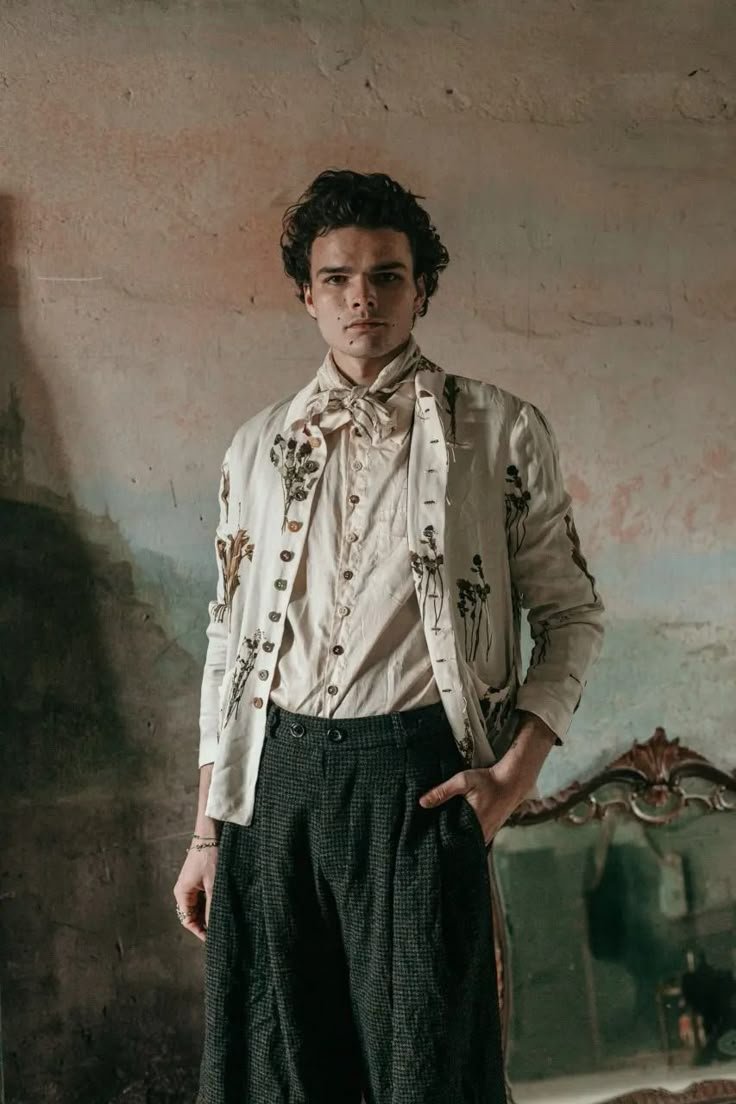
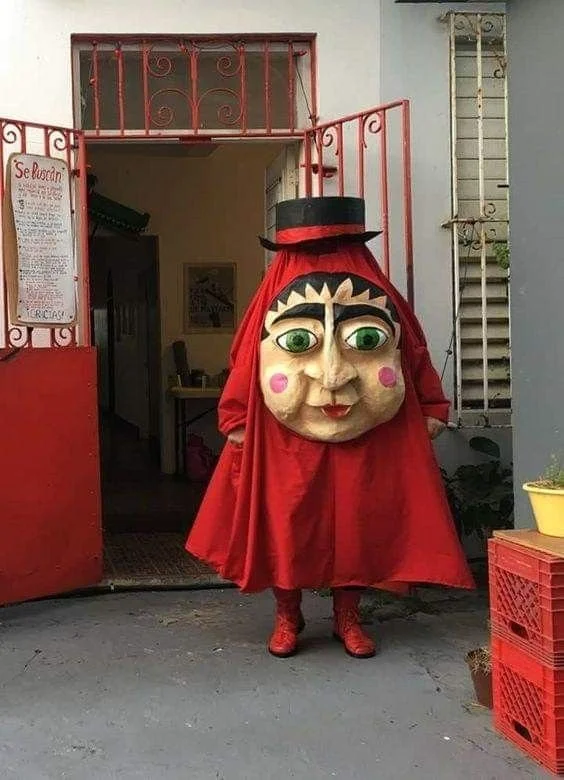
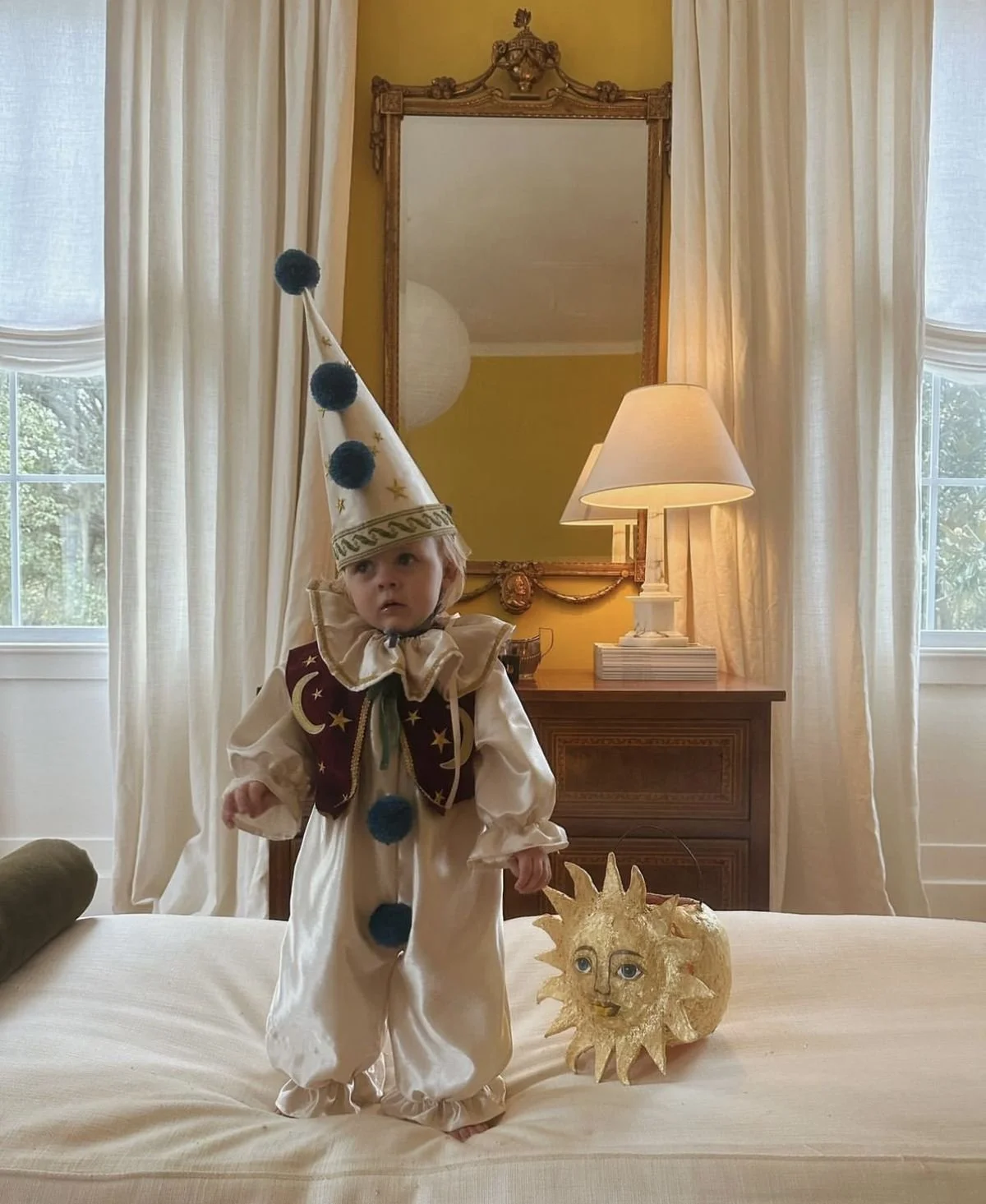
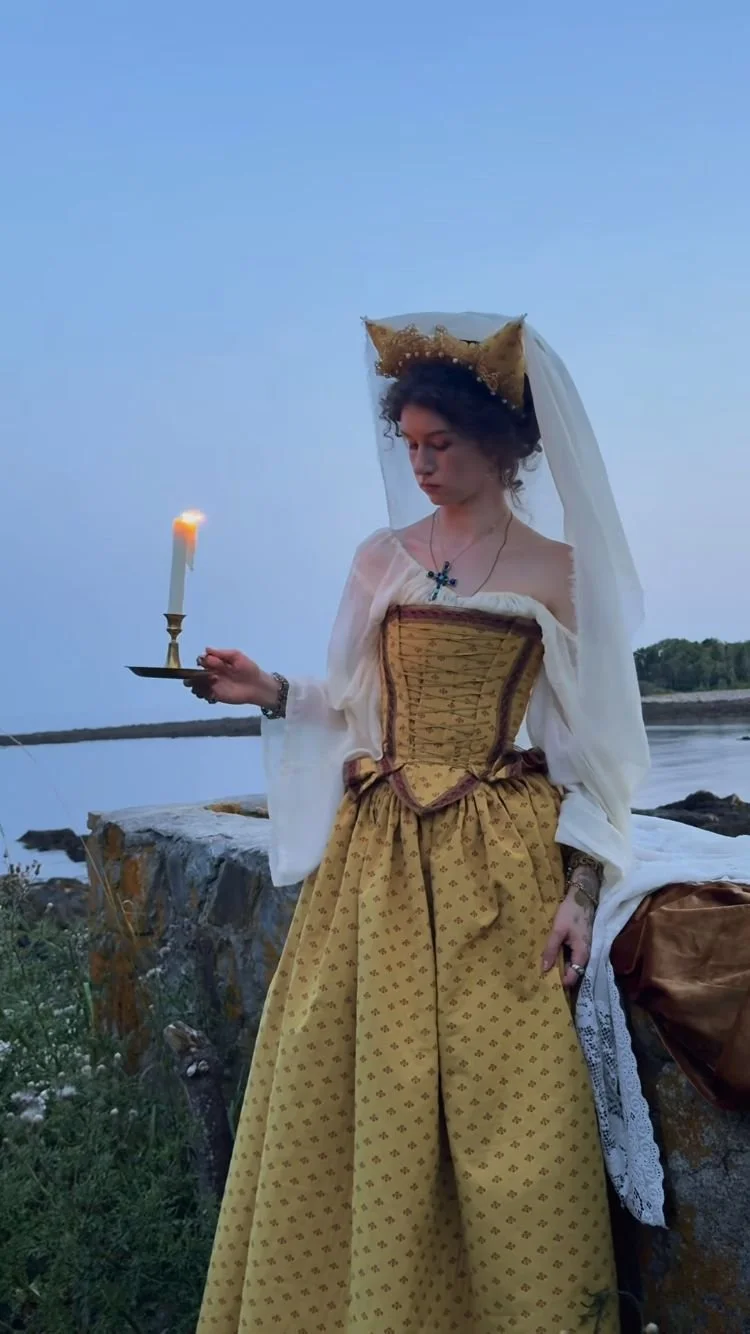
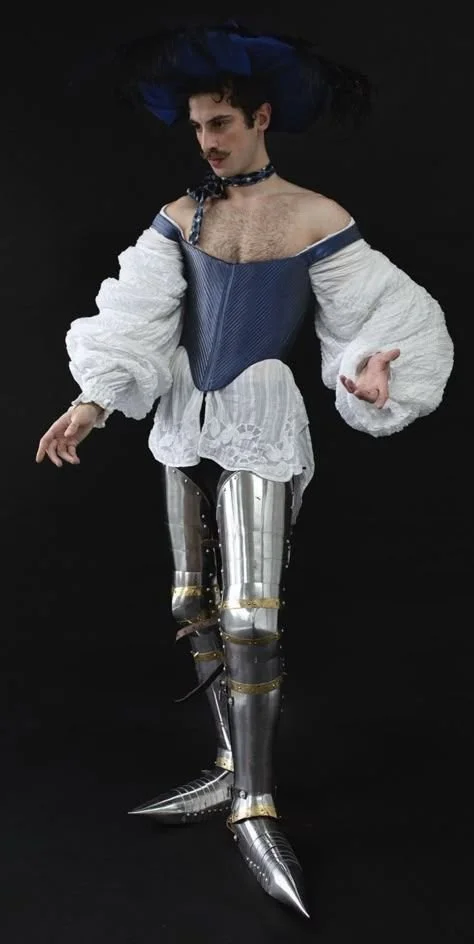
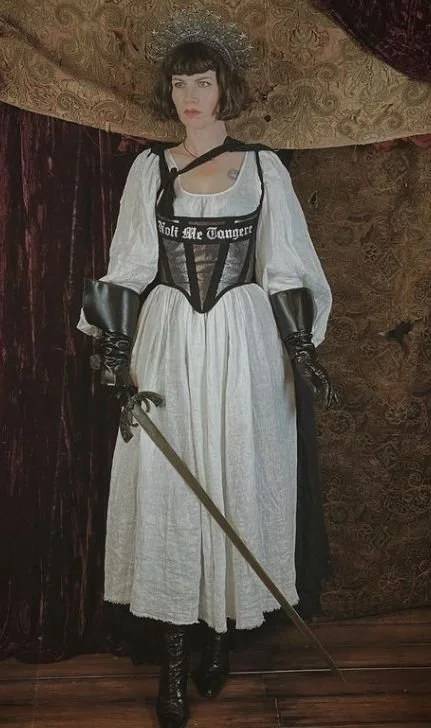
We warmly encourage guests to participate in the visual language of the Garden.
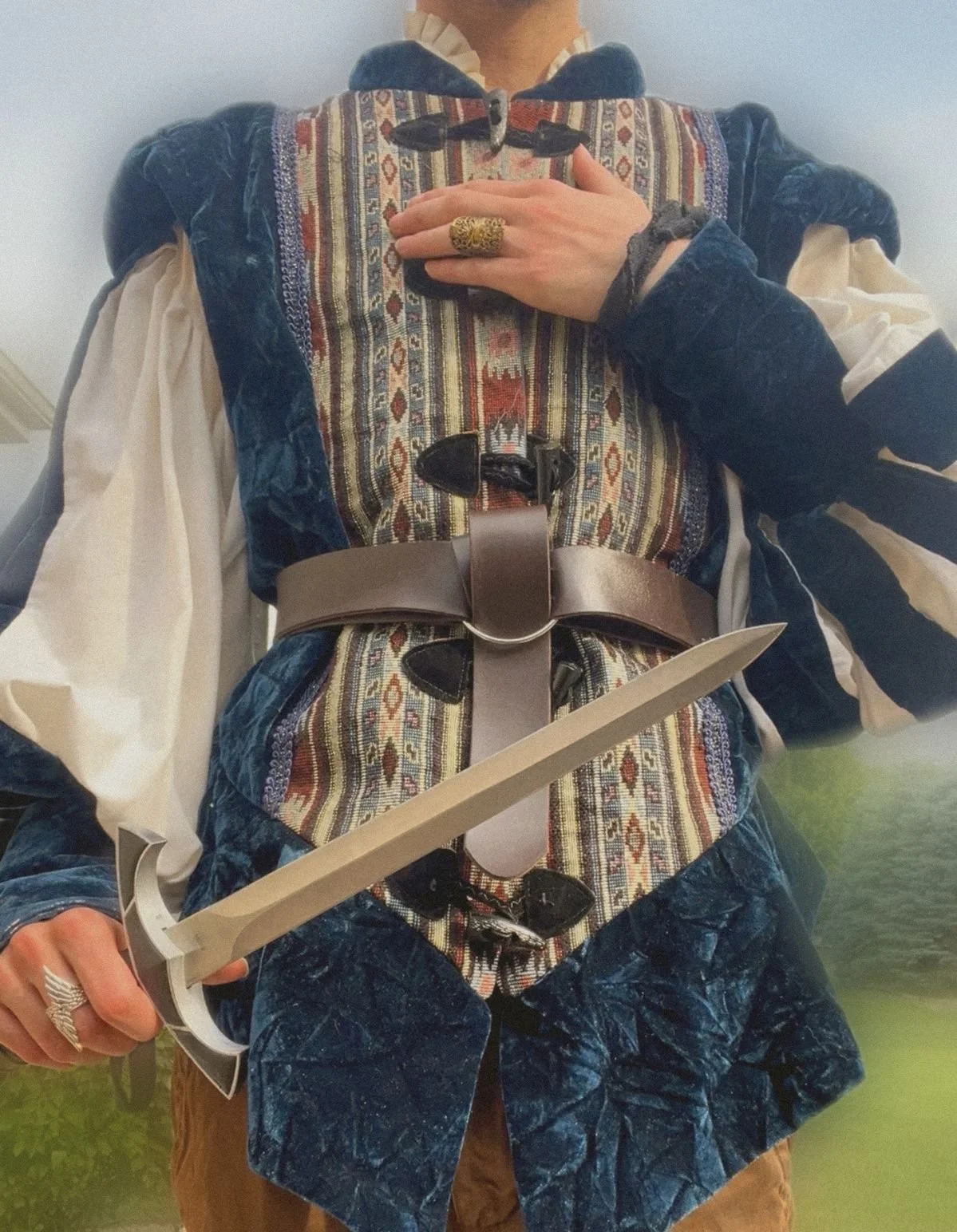
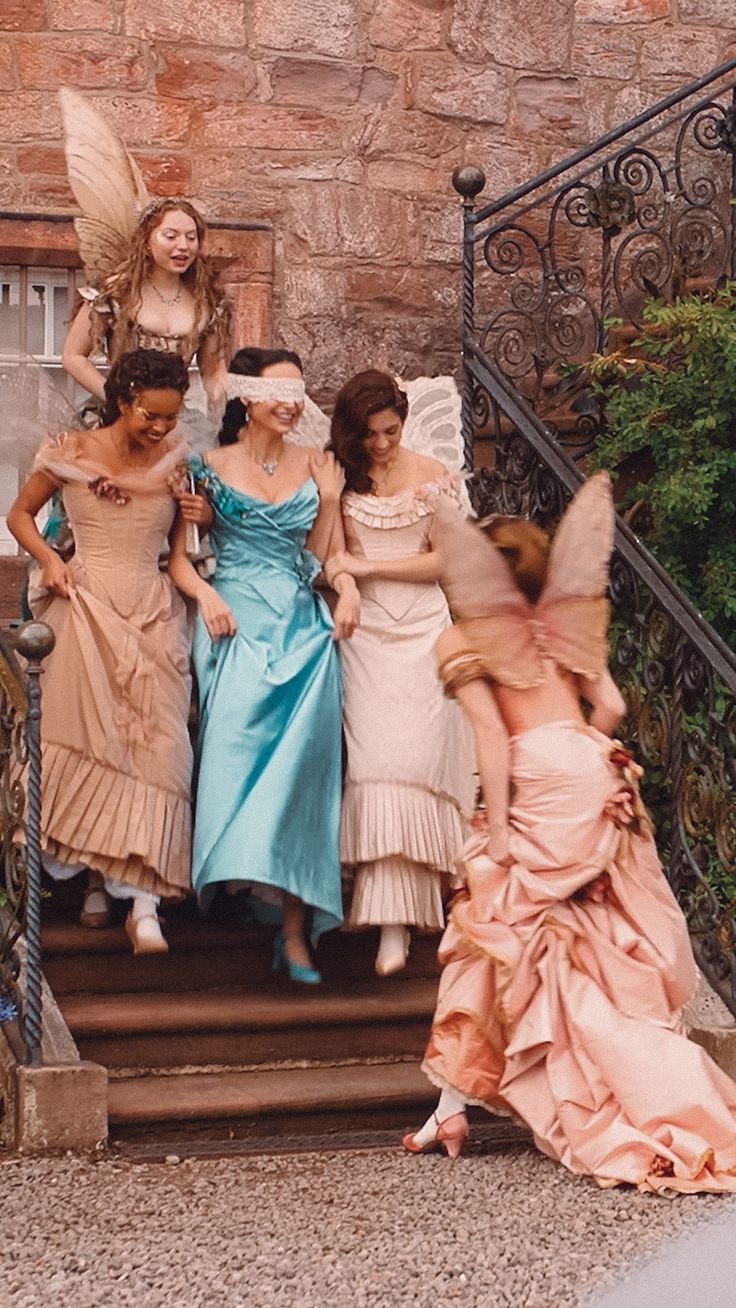
Think medieval silhouettes, surreal details, devotional oddities, and playful excess. Crowns, cloaks, headpieces, strange textures, unexpected colors, symbolic accessories. Sacred, profane, whimsical, uncanny.
This is not a costume requirement, but an invitation. Whether your look is subtle or extravagant, earnest or absurd, we invite you to delight in the spirit of Bosch.
Below, you will find images to inspire your interpretation of medieval and surrealist attire. Let them guide you, not constrain you.